Why Choose Braided Silicone Tube for Your Projects?
In the realm of industrial applications, the choice of materials can significantly impact project outcomes. Braided Silicone Tube stands out due to its unique properties. According to a recent market analysis by Industry Vision, the global market for silicone tubing is projected to grow by 7.5% annually. This growth reflects its increasing adoption across various sectors, including medical, food, and automotive.
Dr. Andrew Stevens, an expert in polymer science, emphasizes the advantages of using Braided Silicone Tube. He states, “The strength and flexibility of braided designs offer unmatched reliability in demanding environments.” This underscores the material's potential to enhance project performance.
However, it's essential to note that not all projects require braided silicone. Some applications may benefit more from standard silicone tubing. Critical assessment of project requirements is necessary. Therefore, while Braided Silicone Tube is highly beneficial, careful consideration is key to making the right choice.
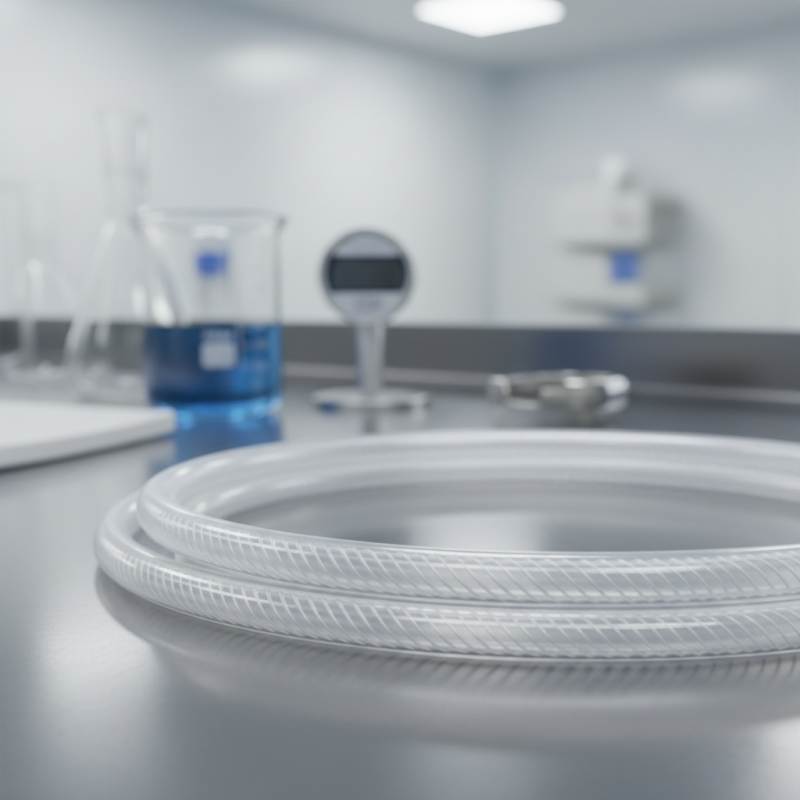
Benefits of Braided Silicone Tubes in Various Applications
When it comes to selecting materials for various projects, braided silicone tubes offer a range of advantages that enhance performance and durability. According to industry reports, silicone tubing can withstand extreme temperatures, from -100°F to 500°F. This temperature range is crucial for applications in automotive, aerospace, and medical fields, where resistance to heat and cold is necessary.
Braided silicone tubes are particularly effective in high-pressure environments. Their flexible yet strong construction allows for excellent flow without the risk of bursting. A study from the International Journal of Materials Science highlights that silicone's tensile strength can exceed 3,000 psi. This makes it suitable for transporting fluids in demanding situations while maintaining structural integrity.
In addition to their strength, braided silicone tubes show remarkable resistance to UV rays and ozone degradation. These properties are vital in outdoor applications, where exposure to harsh elements can reduce the lifespan of materials. However, it is essential to consider the specific needs of each project. Not every application requires a high level of flexibility or resistance to extreme conditions. Reflecting on these factors helps ensure that the right choice is made for the intended use.
Durability and Flexibility: Key Features of Braided Silicone Tubing
Braided silicone tubing stands out for its impressive durability and flexibility, making it a valuable choice for various projects. According to market research published by The Freedonia Group, the demand for silicone products is projected to grow at a rate of 4.5% per year. This growth highlights a rising interest in durable materials across multiple industries.
Durability is a primary feature of braided silicone tubing. Its resistance to temperature extremes—ranging from -50°F to 500°F—helps it perform well in diverse environments. This versatility is crucial for professionals seeking reliable solutions for automotive, medical, or industrial applications. Additionally, braided silicone is resistant to UV radiation and ozone, preventing degradation over time. The National Institute of Standards and Technology (NIST) emphasizes this resilience, noting that silicone materials retain their integrity longer than many alternatives.
Flexibility is another key selling point. Braided silicone tubing can be bent and twisted easily without kinking. This ability allows for creative designs and tight spaces. Moreover, a report from Future Market Insights indicates that 66% of engineers prefer materials that offer both strength and flexibility. However, it’s essential to consider that not all braided silicone is created equal. Variances in manufacturing processes can affect performance. Users must evaluate specifications carefully to ensure optimal results for their applications.
Comparative Analysis: Braided Silicone Tubes vs. Traditional Materials
Braided silicone tubes offer distinct advantages over traditional materials. They are versatile, lightweight, and resistant to a wide range of temperatures. For example, they can withstand heat, making them ideal for automotive applications. This resistance helps in preventing breakdown over time, a common issue seen with rubber hoses.
Traditional materials often lack flexibility. They may become brittle or stiff, especially under stress. This can lead to leaks and failures in systems where pressure is critical. On the other hand, braided silicone maintains its shape and integrity. This flexibility allows for easier installation in tight spaces, a vital consideration in project design.
However, using braided silicone tubes isn't without challenges. They can be costlier than alternatives, leading some to hesitate. Additionally, while their lifespan is impressive, improper handling can still cause damage. Projects need reliable materials. Evaluating the long-term benefits versus initial costs is crucial. Only then can one make the best decision for their specific needs.
Comparative Analysis: Braided Silicone Tubes vs. Traditional Materials
Installation and Maintenance Tips for Braided Silicone Tubes
When working with braided silicone tubes, proper installation and maintenance are key to ensuring optimal performance. These tubes are known for their flexibility and high-temperature resistance. They can withstand temperatures ranging from -60°C to 200°C, making them versatile in various applications. However, improper handling during installation can compromise their durability and safety. Always inspect the tube for any visible damage before installation.
A study by the International Association of Plastic Engineers found that improper installation can lead to vacuum leaks in over 15% of cases. Ensuring correct fittings and avoiding excessive bending during connection minimizes risks. Additionally, regular maintenance checks should be scheduled. Industry standards recommend examining these tubes every six months, especially in high-stress environments. This helps in identifying wear and tear early, which is crucial in preventing system failures.
Moreover, cleaning braided silicone tubes is essential for maintaining their integrity. Using warm soapy water and soft brushes helps remove any buildup. Abrasive cleaners can damage the tube’s surface, weakening it over time. Awareness of these details enhances the longevity of your projects and the overall effectiveness of the silicone tubes.
Cost-Effectiveness of Braided Silicone Tubes in Long-Term Projects
Braided silicone tubes offer an attractive solution for long-term projects, especially regarding cost-effectiveness. According to industry reports, these tubes can reduce maintenance costs by 15-20% due to their durability and resistance to wear and tear. Projects that require flexibility and temperature stability can greatly benefit from using braided silicone. These tubes endure extreme conditions without compromising their structural integrity, making them ideal for various applications.
One crucial tip is to assess the specific needs of your project. Understanding the operating environment, potential exposure to chemicals, and temperature ranges will help determine whether braided silicone is the right choice. Its lightweight nature also allows for easier installation and handling, which can save time and reduce labor costs.
However, it's vital to consider the initial investment. Although braided silicone tubes may have a higher upfront cost, the potential for reduced long-term expenses makes them worthwhile. Evaluate both immediate costs and future savings. Projects with high wear can especially benefit, as the longevity of the material often outweighs initial pricing concerns. Keep these factors in mind when planning your project.
Why Choose Braided Silicone Tube for Your Projects? - Cost-Effectiveness of Braided Silicone Tubes in Long-Term Projects
| Dimension | Braided Silicone Tube | Other Materials | Cost-Effectiveness (over 5 years) |
| Internal Diameter (mm) | 6 | 6 | High |
| Temperature Resistance (°C) | -60 to 200 | -20 to 100 | High |
| Flexibility (1-10 scale) | 9 | 5 | Very High |
| Lifetime Expectancy (years) | 10+ | 3-5 | High |
| Maintenance Frequency (per year) | 1 | 3 | High |