How to Choose the Best Medical Grade Monitors for Your Needs?
Choosing the right Medical Grade Monitors is crucial for healthcare facilities. With increasing patient care demands, these monitors have become essential. According to a 2022 report by the Global Market Insights, the medical display market is projected to reach $7 billion by 2027. This growth highlights the significance of high-quality monitoring in clinical settings.
Dr. Lisa Tran, a leader in medical technology, emphasizes, "The right monitor can significantly impact patient outcomes." These devices must meet specific standards, ensuring accuracy and reliability. However, many medical professionals still struggle to select monitors that fit their unique needs. Factors such as resolution, brightness, and color accuracy can vary widely among different models.
It's vital to recognize that not all Medical Grade Monitors are created equal. Some may lack essential features or certifications. This inconsistency can lead to confusion and compromises in patient care. Addressing these challenges is key for healthcare providers looking to enhance their monitoring capabilities.
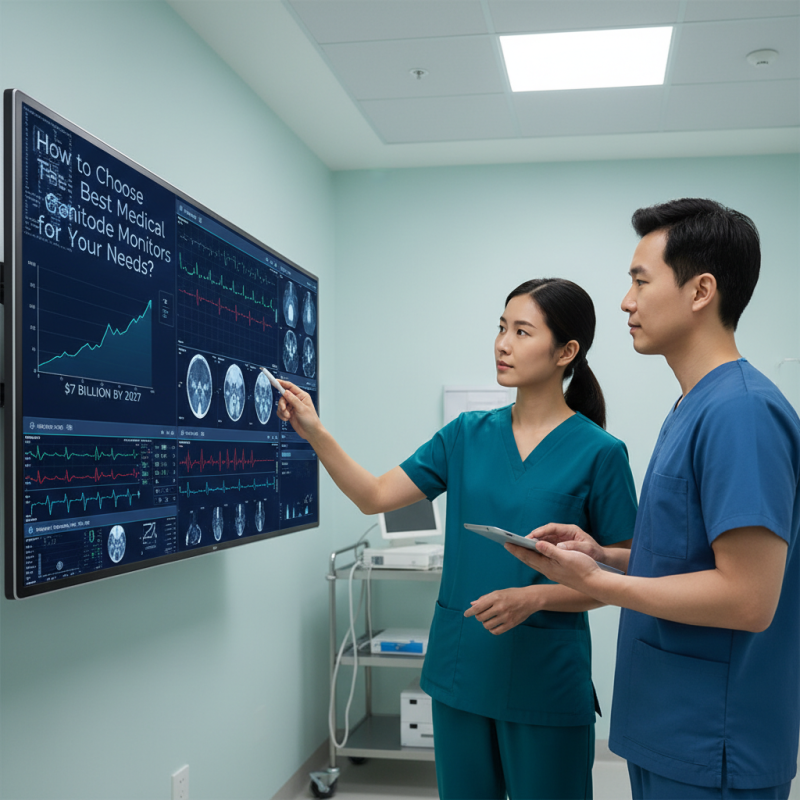
Understanding Medical Grade Monitors: Definition and Importance
Medical grade monitors are crucial in healthcare settings. They display vital patient information accurately. These monitors aid in monitoring heart rates, oxygen levels, and more. Their precision is essential for diagnoses and treatment decisions. Unlike regular monitors, medical grade versions meet strict standards. This ensures reliability and safety in critical situations.
Choosing the right monitor is not just about specs. It’s also about understanding the specific needs of your practice. Consider the environment where the monitor will be used. Intense settings may require brighter screens. In quieter spaces, less glare could be beneficial. Misunderstanding these factors can lead to poor choices.
Doctors and nurses rely on clear visuals for patient care. A misleading readout can have serious consequences. The importance of proper display cannot be overstated. Reflecting on past experiences can guide future decisions. Sometimes, what seems perfect on paper may not work in practice. Real-world testing is essential.
Key Specifications to Consider When Choosing a Medical Monitor
Choosing the right medical grade monitor involves understanding key specifications that best meet your needs. Look for resolution, as this determines image clarity. A higher resolution ensures better detail, which is crucial for accurate diagnostics. Consider the screen size. Larger screens provide better visibility, but space constraints in clinical settings can pose challenges.
Color accuracy is also vital. Monitors used in radiology require precise color reproduction to analyze scans effectively. Response time is an often-overlooked factor. A monitor with a quick response time minimizes motion blur, making it easier to observe dynamic processes. Pay attention to contrast ratio. This aspect impacts the visibility of subtle variations in images, which can affect decision-making.
Lastly, ergonomics matter. Adjustable stands and screen tilt can drastically improve comfort during long hours. The display's brightness might need review too. Overly bright displays can lead to eye strain. If you find choosing confusing, remember that not all specifications may suit your practice. Reflect on your specific requirements rather than defaulting to the latest trends.
How to Choose the Best Medical Grade Monitors for Your Needs?
| Specification | Recommended Value | Importance |
| Resolution | 1920x1080 (Full HD) | High |
| Screen Size | 24-32 inches | Moderate |
| Color Accuracy | ≥ 90% sRGB | High |
| Brightness | ≥ 250 cd/m² | Medium |
| Contrast Ratio | ≥ 1000:1 | High |
| Response Time | ≤ 5 ms | Low |
| Viewing Angle | ≥ 178° | Medium |
Evaluating Image Quality: Resolution, Brightness, and Contrast Ratio
When selecting medical grade monitors, image quality is essential. Resolution, brightness, and contrast ratio significantly affect diagnostic accuracy. A monitor's resolution should be high enough to visualize fine details. Industry standards often recommend at least 1920x1080 pixels for general use. However, radiology monitors may require 2K or 4K resolution for clearer images. Lower resolutions can miss critical information, leading to potential misdiagnoses.
Brightness is another key factor. Most medical environments require monitors to emit sufficient brightness, typically between 300 to 500 cd/m². This ensures visibility in various lighting conditions. Inadequate brightness can obscure details in images. Contrast ratio also plays a vital role. A higher contrast ratio allows clearer differentiation between different shades of gray. Ideal contrast ratios for medical monitors often exceed 1000:1. Yet, many setups still fall short of this benchmark.
Despite advancements in technology, challenges remain. Some monitors may not deliver consistent brightness across the screen, impacting image uniformity. This inconsistency can lead to misinterpretation of images. Regular calibration is needed to maintain optimal performance, which can be overlooked in busy clinical settings. Many users report this as a common frustration but often delay addressing it due to time constraints. Monitoring image quality is critical yet sometimes neglected, impacting overall care quality.
Evaluating Image Quality of Medical Grade Monitors
This bar chart illustrates the key aspects of image quality for medical grade monitors, comparing resolution, brightness, and contrast ratio, which are critical factors to consider when choosing a monitor for medical applications.
Compliance Standards: Ensuring Monitors Meet Medical Regulations
When selecting medical grade monitors, compliance standards are crucial. These monitors must conform to strict medical regulations. Hospitals and clinics rely on accurate readings for patient care. Therefore, it's vital that the monitors you choose meet these essential standards.
For instance, compliance often involves certifications like ISO 13485. It ensures that the manufacturing process adheres to quality management systems. This can be complex, so understanding specifications is key. Sometimes, we overlook this aspect, focusing more on features. But if the monitor lacks proper certification, it may pose risks.
Quality is not just about advanced technology. It’s also about reliability and safety. A monitor might have a dazzling display, but if it doesn't meet the legal standards, it endangers patients. Regular checks and audits help maintain compliance, yet many fail to conduct them. This oversight can lead to costly errors. Emphasizing compliance could save lives and enhance trust in medical facilities.
Comparative Analysis of Leading Medical Monitor Brands and Models
When selecting medical grade monitors, it's essential to consider various brands and models available in the market. Look for features such as display resolution, refresh rates, and color accuracy. These elements are vital for precise readings in diverse medical situations. Different models cater to specific needs, from surgery to diagnostics or patient monitoring.
Tips: Always check the technical specifications. Ensure the monitor offers a range that suits your medical practice. Comparing multiple options can be time-consuming. Yet this comparison helps identify what truly meets your needs.
The design and usability of the monitors also matter. Ergonomics can influence how efficiently healthcare professionals interact with these devices. Complexity in navigation may lead to errors. Opt for user-friendly interfaces that streamline workflows.
Tips: Trial periods are beneficial. If possible, test the monitors in real settings. This practice can reveal hidden flaws or unexpected advantages. Reflecting on experiences with various models can guide better purchasing decisions.