
Choosing a Water Tank Electric Brush is less about buying the strongest motor and more about matching the tool to the tank. A narrow plastic tank, a wide stainless-steel reservoir, and a tank with internal baffles each present different cleaning challenges. The wrong brush head may miss corners, while stiff bristles can mark a delicate surface. Small details matter.
Before comparing models, check the tank’s material, opening size, depth, and cleaning instructions. Measure the reach you need, including the distance from the opening to the far wall. Then consider whether the brush has interchangeable heads, adjustable speed, and a handle that feels steady when wet. Check the fit. A compact head can reach tight spaces, but may take longer on broad surfaces. Battery life and charging time matter if one cleaning session covers several tanks. For a corded model, keep the power supply and cable arrangements appropriate for the work area, and follow the manufacturer’s safety guidance.
Look closely at the bristle type and the maker’s stated surface compatibility. A high-speed setting is not automatically better; gentle, even contact may be safer for some finishes. That matters. Review the manual, cleaning and maintenance steps, warranty terms, and replacement-head availability before purchasing. Photos can help, but they do not prove that a brush will reach a hidden seam or remove a stubborn film. There is no perfect brush for every tank. This guide explains how to weigh fit, cleaning performance, durability, and practical safety, while recognizing that actual results depend on the tank and the residue involved.
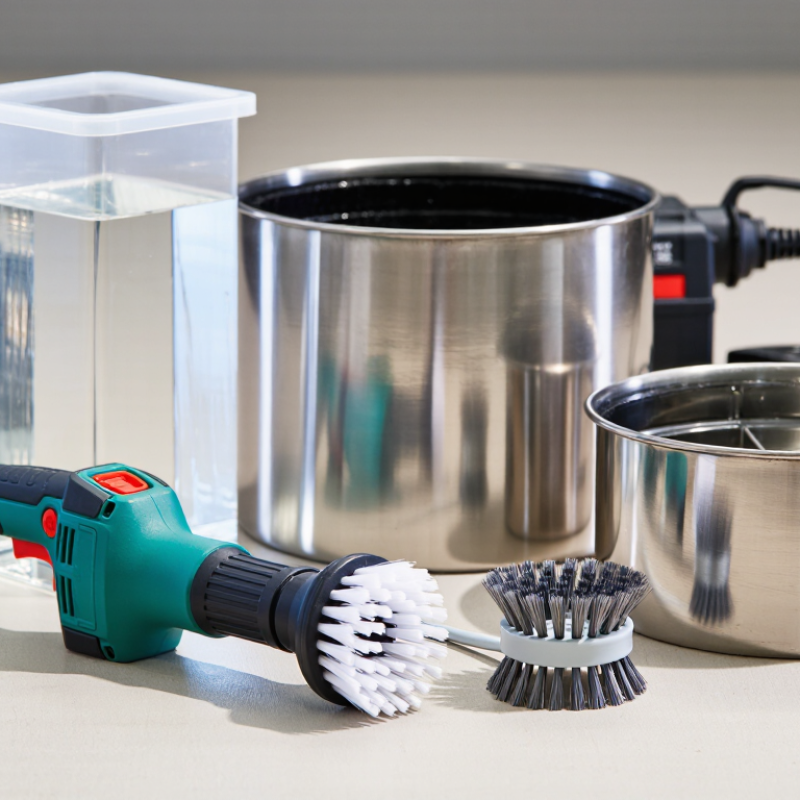
A water tank electric brush uses a powered rotating head to loosen residue from interior surfaces. Depending on its design, it may have a telescoping handle, interchangeable heads, or a rechargeable motor. People use these brushes to remove light sediment, biofilm, and grime around tank walls, seams, and fittings. They can save effort compared with hand scrubbing. Not every tank.
Choose bristles that suit the tank material. Soft or medium bristles are generally gentler on plastic and coated surfaces, while stiff bristles may scratch them. Check the tank maker’s care instructions before cleaning, especially if the tank stores drinking water. A brush removes dirt, but does not replace any required sanitizing procedure. Small detail, big difference.
Look at the brush’s reach and how easily its head can enter narrow openings. Inspect the tank first for cracks or loose lining; scrubbing a damaged area could make it worse. Follow the tool’s instructions around water and power, and rinse the brush head after use. I’d be cautious about assuming one brush fits every tank. A little extra checking can prevent a scratched surface or residue left behind.
Before choosing a water tank electric brush, check the tank’s material and shape. Plastic, stainless steel, and coated surfaces may need different bristle stiffness. A hard brush can scratch a soft lining, while a very soft head may struggle with dried residue. Check the tank manual or ask the manufacturer about suitable cleaning tools. Measure the opening, too. A brush head that cannot pass through the hatch is not useful, however powerful its motor.
Look inside for narrow corners, seams, baffles, and curved walls. A long, flexible shaft can reach around internal features, but it should not bend so much that you lose control. Small details matter. Consider what needs removing: light sediment calls for less force than stubborn mineral deposits or slimy buildup. Choose replaceable heads if the tank has areas that need different levels of scrubbing, and keep the brush clean between uses.
Also check whether the brush is rated for wet use and how its power source must be handled. Never assume water-resistant means safe for immersion; follow the device instructions. For tanks used to store drinking water, confirm that the brush materials and cleaning process are suitable for that use. It is easy to rush this check. A practical fit test with the tank empty can reveal awkward angles before cleaning begins.
| Tank Surface or Material | Brush Head to Consider | Typical Cleaning Requirement | Compatibility Checks and Cautions |
|---|---|---|---|
| Polyethylene or other plastic | Soft or medium nylon bristles with a rounded, non-abrasive head | Remove sediment, light biofilm, and residue without unnecessarily roughening the surface. | Avoid wire brushes and aggressive abrasive pads, which may scratch the plastic. Check the tank maker’s cleaning guidance and test the brush on a small, inconspicuous area. |
| Stainless steel | Soft or medium nylon bristles; use a metal-compatible head only when the tank maker permits it | Clean deposits while preserving the finish and avoiding contamination from unsuitable tools. | Do not assume a steel-wire brush is suitable: it can scratch the surface, and particles from an incompatible brush may contribute to corrosion. Follow the specified cleaning direction and care instructions. |
| Fiberglass or reinforced plastic | Soft nylon bristles or a manufacturer-approved non-abrasive pad | Lift dirt and deposits while minimizing wear to the resin or protective finish. | Check whether the tank has a coating or liner. Avoid stiff wire bristles and test the brush first, since abrasive contact can damage some finishes. |
| Concrete or masonry | Medium or firm nylon bristles, selected for the surface condition | Work over a rough surface where deposits can collect in pores and irregularities. | Confirm that the tank’s cement lining or waterproof coating can tolerate the brush. A rough surface may need more than brushing; use only cleaning methods approved for the tank and its intended water use. |
| Glass-lined or coated interior | Soft nylon bristles or a cleaning head expressly approved for the lining | Remove loose deposits without chipping, scratching, or wearing the protective layer. | Inspect for cracks, chips, or peeling before cleaning. Do not use a hard or abrasive head unless the tank manufacturer specifically allows it. |
| Narrow openings, corners, and fittings | Compact head or appropriately sized detail brush with guarded edges | Reach areas a wide brush cannot clean effectively. | Measure the access opening and check head diameter, shaft length, and turning clearance. Avoid forcing the head past fittings or seams. |
| Any tank used for drinking water | Dedicated, cleanable brush head made from materials suitable for the intended use | Remove buildup, then follow applicable tank-cleaning and disinfection guidance. | Check that every part contacting the water is suitable for potable-water use. Brushing alone does not disinfect a tank; follow local public-health guidance and the tank maker’s instructions. |
Before buying: Match the head material and size to the tank’s interior, confirm that the shaft can reach the areas you need to clean, and check the tool’s water-resistance rating. Do not submerge the motor or battery unless the product is specifically rated for that use. Isolate electrical power and follow the tank and tool manufacturers’ safety instructions.
A water tank electric brush should reach seams without scraping the tank surface. A narrow angled head can work around corners and beneath fittings, while a wider head covers flat walls faster. Soft or medium bristles are usually safer for coated plastic; stiff bristles may leave marks. Check whether replacement heads are easy to find. Small details matter.
Power is more than a high motor rating. A brush with steady torque can keep rotating when pressed lightly against a damp wall, while an underpowered head may stall. Yet extra force is not always useful. Let the bristles do the work, and avoid pushing hard on delicate surfaces. It is easy to overvalue speed and forget awkward corners; that trade-off deserves a second look. Battery life matters too. Compare the stated runtime with the size of your tank and the time needed for a careful clean. A charge indicator and a sealed charging port are practical features, but advertised runtime can vary with pressure and head choice. A short test on an inconspicuous area can reveal whether the brush feels balanced and cleans evenly.
A water-tank electric brush should make cleaning safer, not introduce new risks. Choose a model with a sealed motor, a low-voltage power supply, and clear instructions for keeping electrical connections dry. Check the cable for cracks, and use a ground-fault-protected outlet where appropriate.
Water matters. The WHO/UNICEF Joint Monitoring Programme reported that 2.2 billion people lacked safely managed drinking water in 2022; cleanable, well-maintained storage is one practical part of protecting water quality. That figure is broad, not a measure of brush performance.
For parts that contact drinking water, look for documentation showing compliance with NSF/ANSI/CAN 61, which evaluates health effects of drinking-water system components. A replaceable nylon brush head and corrosion-resistant shaft are practical choices, but inspect joints where residue can collect.
AWWA’s C652 standard covers disinfection of water-storage facilities; a brush is not a substitute for its applicable procedures. Check the plug. After use, rinse the head, let it dry fully, and inspect bristles for wear before storing it.
Smooth surfaces and removable heads simplify this routine. I would still verify the maker’s cleaning instructions: materials that look sturdy may trap grime around seams.
A water tank electric brush works in a damp, gritty setting, so durability deserves close attention. Check whether the handle feels firm and whether the brush head locks securely without wobbling. Sealed joints and a clear water-resistance rating are useful clues, but follow the manual’s cleaning and charging instructions. A sturdy-looking casing alone proves little.
That matters. Compare the battery runtime with the time needed to clean your tank, not just the number shown on the package. Look for replaceable brush heads, accessible spare parts, and a warranty that explains what is covered. A cheaper model may cost more over time if its battery or head cannot be replaced. Not always. A higher price does not guarantee a longer working life.
Estimate the full cost over several years: purchase price, replacement heads, batteries, and charging needs. If possible, hold the brush before buying; a heavy handle can become tiring during a long cleaning session. Read owner feedback for repeated reports of loose fittings or declining battery life, while treating single complaints cautiously. I would still leave room for uncertainty: real wear depends on water quality, storage, and how often the brush is used.